















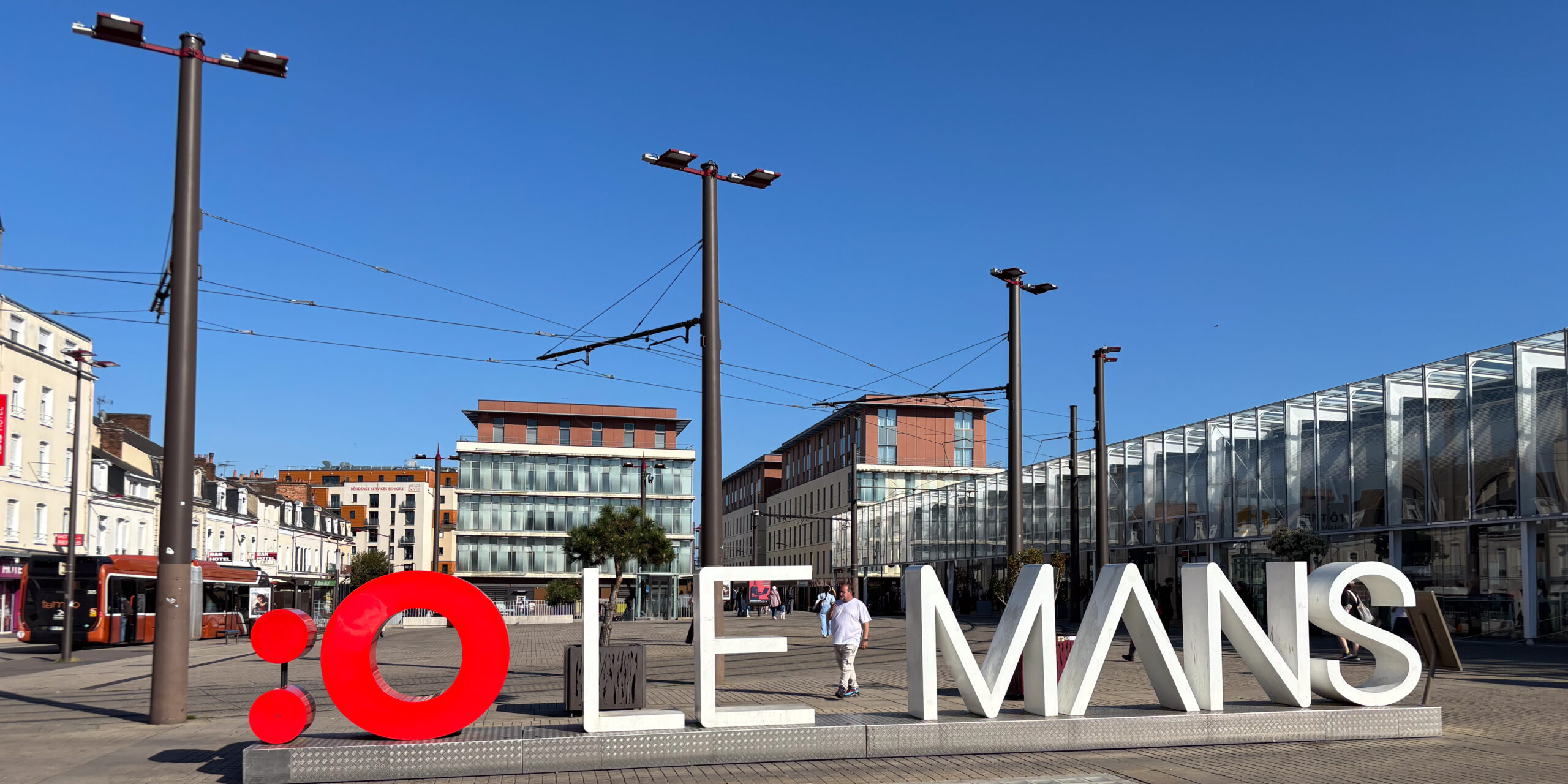
I had been planning a research trip to the historical archives of the French national railway company (SNCF) even before the pandemic hit—but then, as with so many things, COVID reshuffled all plans. Now, however, my Interrail-themed PhD project has reached the point where the journey became necessary. For the dissertation summary, I needed a few documents stored in the archive in Le Mans. And really, it felt almost sinful to fly to a railway company’s archive—especially since I’m increasingly critical of flying these days—so I decided to make the trip by train. I also want to take this chance to thank the Faculty of Social Sciences at Tampere University for the travel grant I received specifically for overland travel. Much appreciated. Below is a short mood video from the trip, followed by some reflections on what it’s like to travel Europe without leaving the ground.
To match the theme of my research – and because there happened to be a 15% spring discount – I got myself an Interrail Pass for the journey. A welcome bonus for a grant-funded researcher whose funding had, you know, already seen better days. I went with the version that included five travel days within a month. In addition to the pass, I booked seat reservations for the trains, one sleeper berth, accommodations in Le Mans and, on the return leg, in Cologne – as well as, of course, ferry tickets between Finland and Sweden.
Rolling South
I set off on Friday, April 25th, taking a train from Tampere to Turku, then hopping on the Baltic Princess ferry to Stockholm. The boat gets into Stockholm at 6:10 a.m. – not exactly ideal for someone who isn’t a fan of early wake-ups – but necessary when it comes to catching onward connections. Without stopping for breakfast, I took the tunnelbana to Stockholm Central and finally enjoyed my long-awaited morning coffee and sandwich, ordered in my best early-morning “Stig-Carpelan Swedish”. I had plenty of time, as the train to Malmö didn’t leave until just before half past eight. While waiting, I also ended up chatting with a couple of Finnish university researchers heading towards Denmark. These random encounters are one of the hidden joys of train travel.
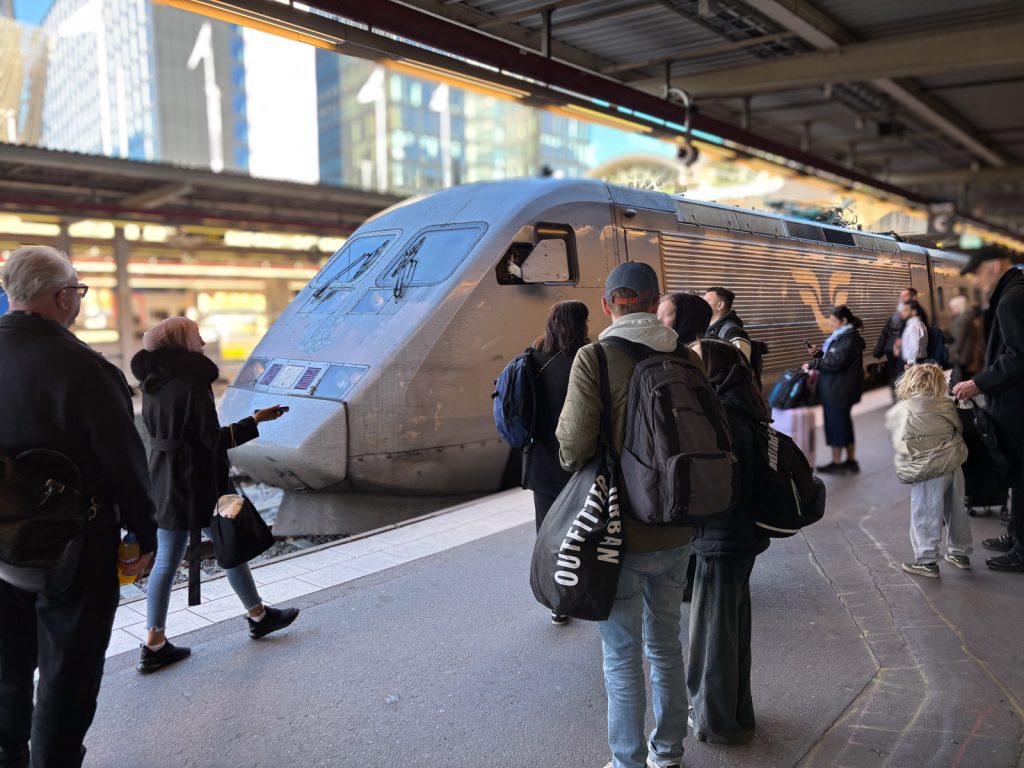
There’s a lot of rail construction happening in Sweden right now as the network gets a major upgrade. So, as planned, my train ride ended in Alvesta, where we transferred to a replacement bus (1h20min) to Hässleholm and continued by train to Malmö Central. Fun fact: my ticket wasn’t checked a single time on that stretch – I was in my reserved seat, and my Interrail Pass number had already been linked to the booking. Efficient, I must say.
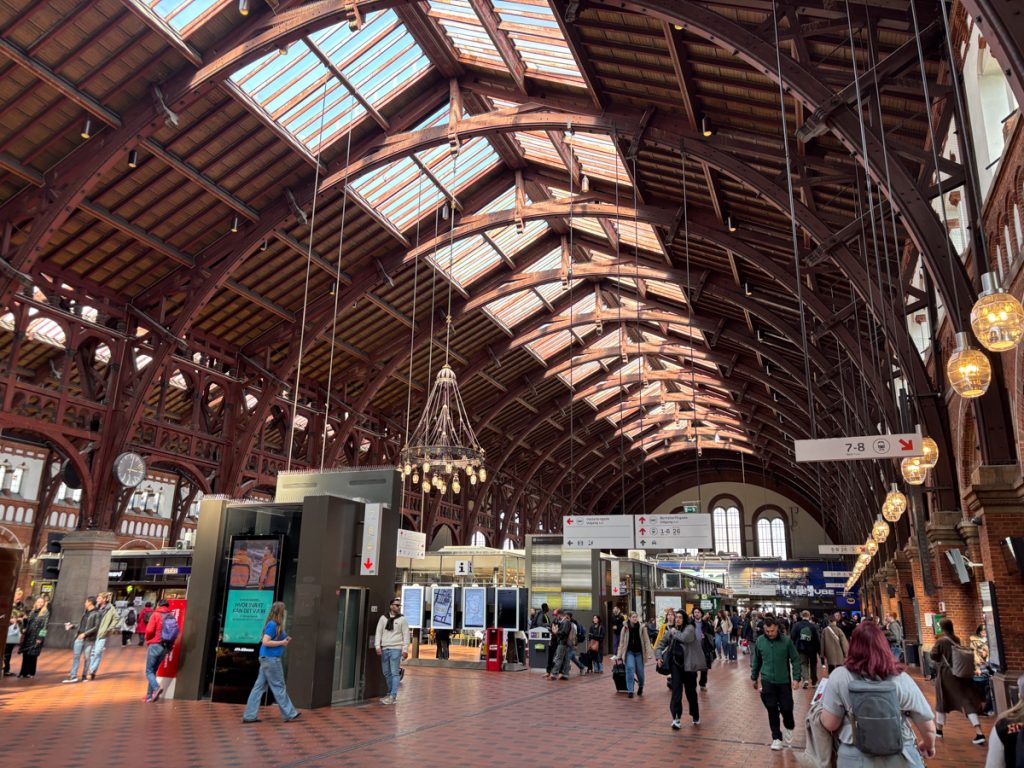
From Malmö, I hopped on a local train to Copenhagen, where I had a comfortable amount of time to grab lunch at one of the many restaurants in the station while waiting for the train to Hamburg. The ride across Denmark went smoothly and right on schedule – with some nice chats along the way with fellow Finnish Interrailers. From past trips, I already knew that once you hit Germany, all that sitting really starts to feel like work – and yep, same story this time. Luckily, you can stretch your legs a bit on the train, and in Hamburg I had over an hour to spare before the night train departed.
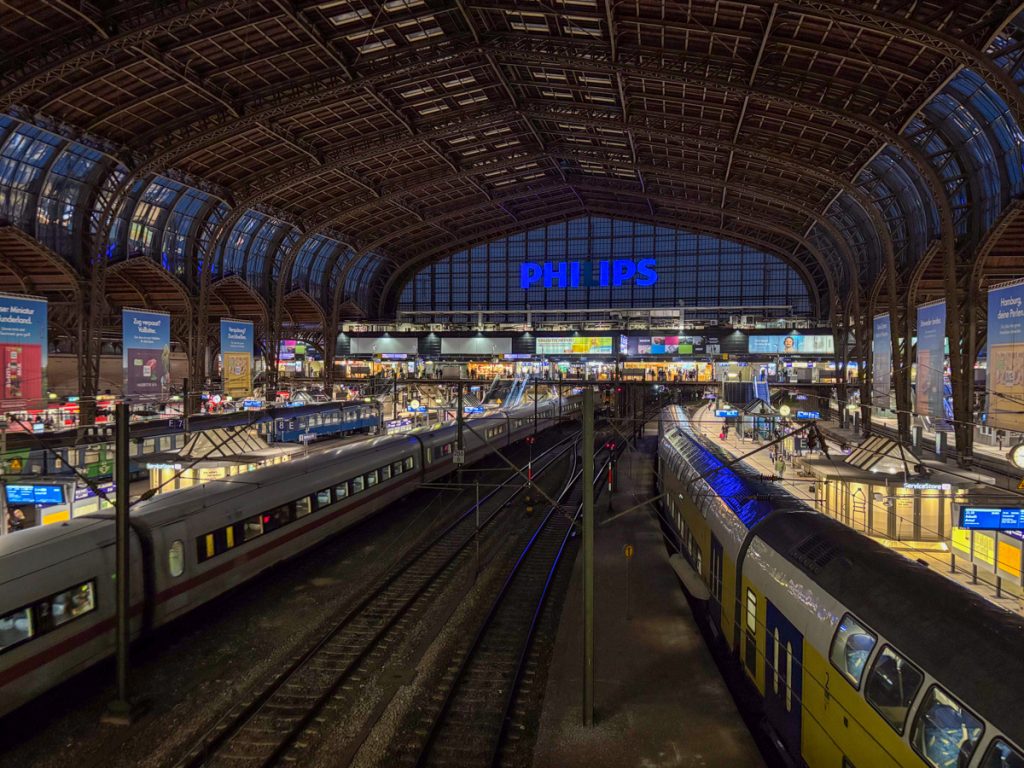
After checking hotel prices in Hamburg, I figured it would be both more comfortable and cost-effective to keep going rather than stay the night. On my previous Interrail trip, I’d booked myself a private sleeper cabin in good time – classy, I know – but this time the price was a bit much on short notice. So I settled for a four-person couchette in ÖBB’s Nightjet – a shared sleeper compartment with a blanket, sheet, and pillow provided. I’d had a bit of pre-departure stress, though, because a delay had already been announced: that weekend, the Karlsruhe–Basel section was closed, and the train was rerouted directly to Zurich. My connection to Paris was supposed to be from Basel, but I’d built in a four-hour buffer just in case. Still, with the Nightjet leaving about half an hour late, I couldn’t help feeling a little nervous about how it would all pan out.
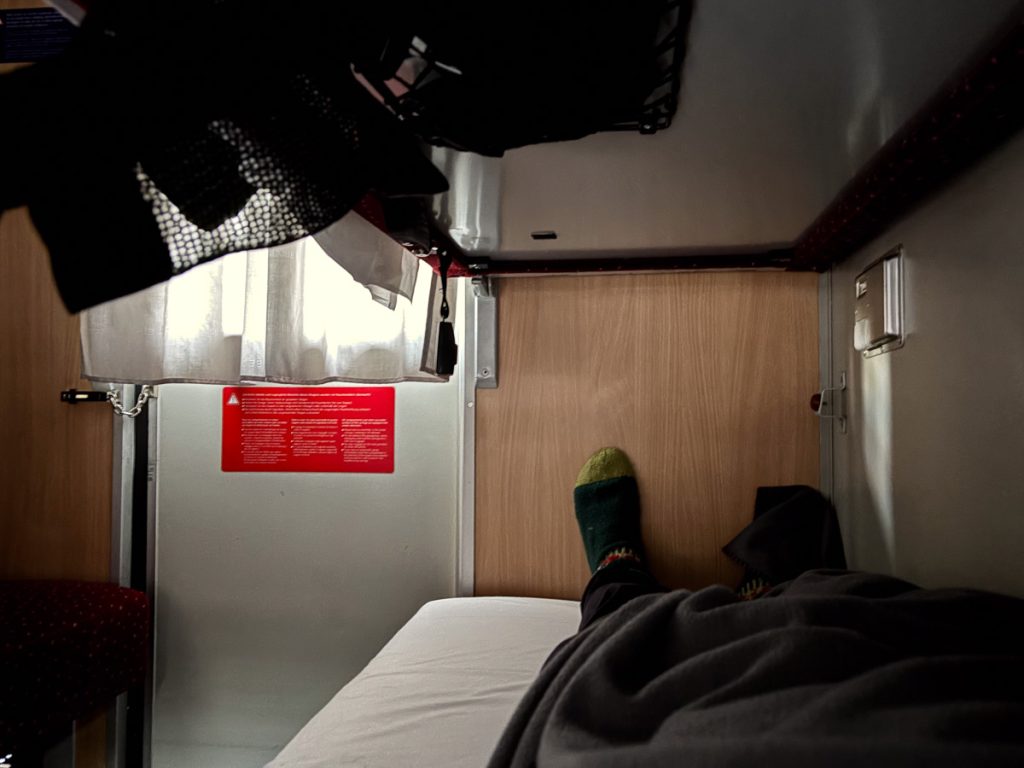
In the end, everything worked out just fine. The night passed comfortably – there were only three of us in the compartment – and in the morning I chatted with the two Swiss bunkmates about, among other things, the state of Europe and Russia’s war against Ukraine. The rerouting via Zurich also turned out to be a scenic bonus: we passed right by the Rhine Falls, which I would’ve missed entirely if the train had taken the original route to Basel.
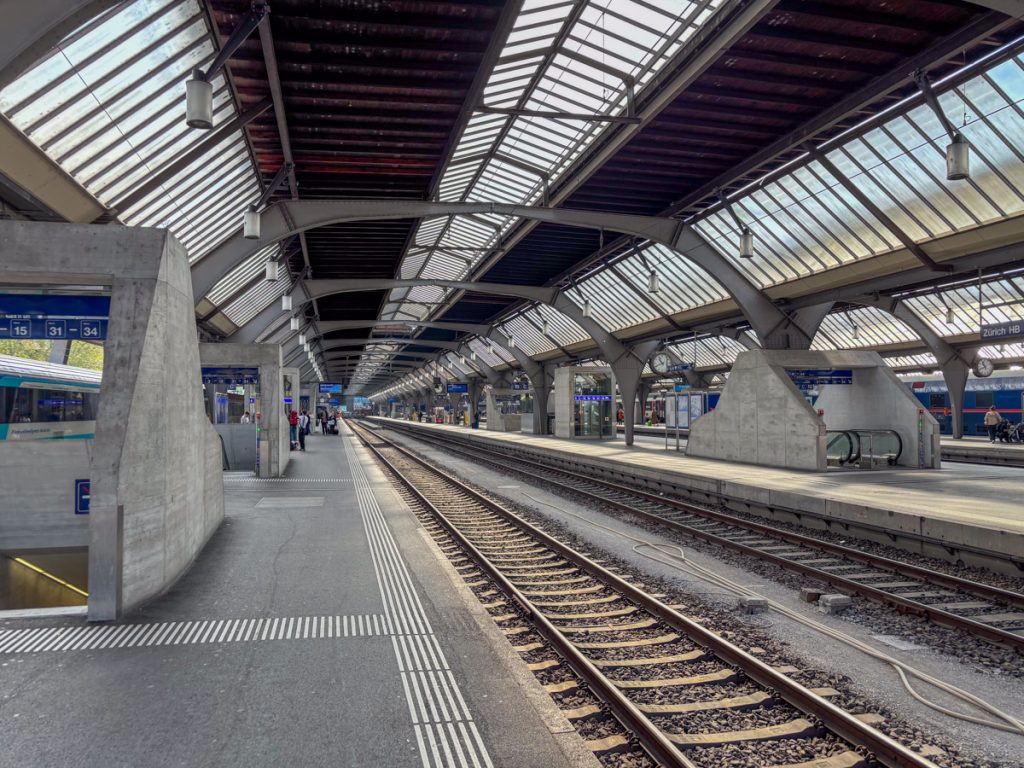
We arrived in Zurich more or less on time (10:30 on a Sunday morning), and from there I caught a local InterCity train to Basel. By that point, I was definitely getting hungry, so a nearby pizzeria took care of that. I didn’t have to wait long before the TGV to Paris pulled in. (Technically, I could’ve boarded it already in Zurich – it started there – but since my seat reservation was from Basel, I decided not to push my luck.) The TGV ride was fast and smooth, as expected, and before I knew it, I was already at Paris’s Gare de Lyon. From there, I had to switch to Montparnasse station by metro. Luckily, I had downloaded the Paris public transport app in advance, which made both route planning and ticket buying easy. In no time, I was on the TGV to Le Mans – and there already, since the trip took just under an hour. When you’re flying along at over 300 km/h, distances tend to shrink.
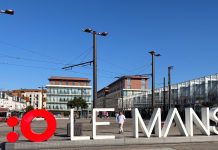
All in all, the journey from Tampere to Le Mans took about two full days. I left Tampere station at 4 p.m. on Friday and arrived in Le Mans around 5:30 p.m. on Sunday. Both nights were spent on the move – the first on the ferry, the second on ÖBB’s Nightjet. In contrast to Bernstein’s famous quote, this time it was about both the journey and the destination. In Le Mans, I had booked a place a bit outside the city center, as I’d prioritized staying close to the archive to avoid a long morning walk. The apartment turned out to be super clean and stylish – and cheap too (just under €100 for two nights, likely thanks to the location and low season).
Rolling Back North
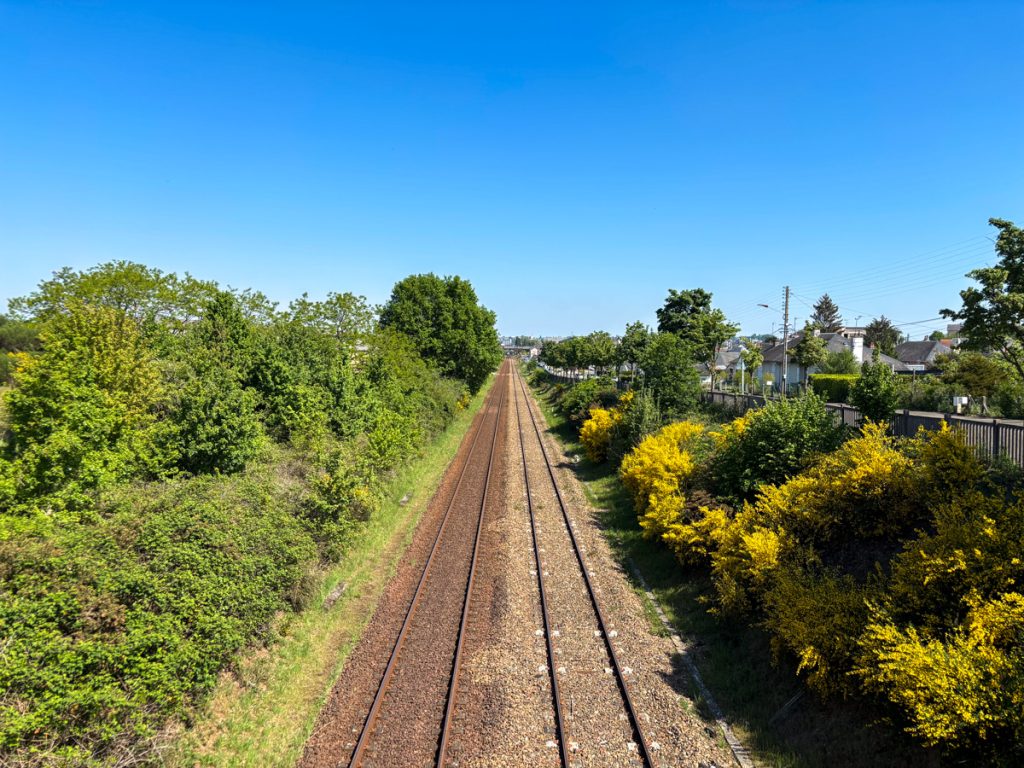
Originally, I had set aside two days for working in the archive, just in case it turned out that photography wasn’t allowed – since policies can vary quite a bit. But it was allowed, and in the end I got everything done in just under a day. That left me time to stroll around the old town and visit the cathedral (built in stages from the 6th to the 15th century). I left the archive with over 900 photos of reports from the 1970s to the 1990s, which I immediately converted into readable PDFs – perfect reading material for the return trip. On the way down, I had been prepping for my upcoming lecture series on the history of tourism, reading one of the field’s core texts and taking notes. One of the best things about train travel is how well it works for getting things done. Most trains even have power outlets for your laptop – the only exception on this trip was the Copenhagen–Hamburg stretch.
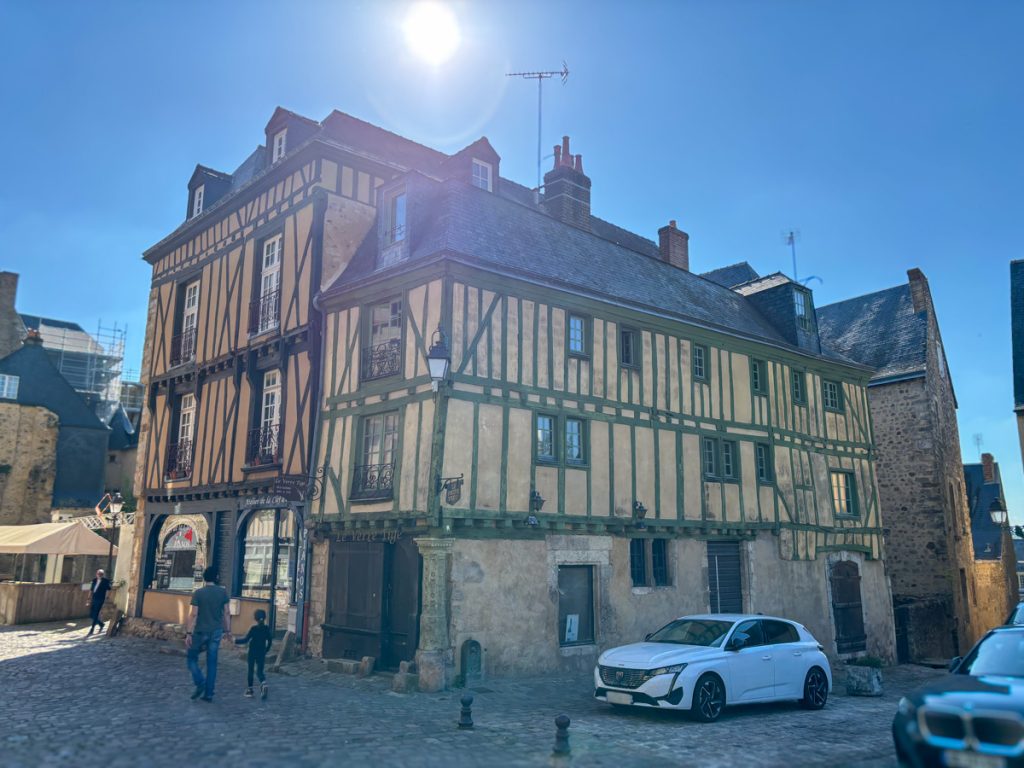
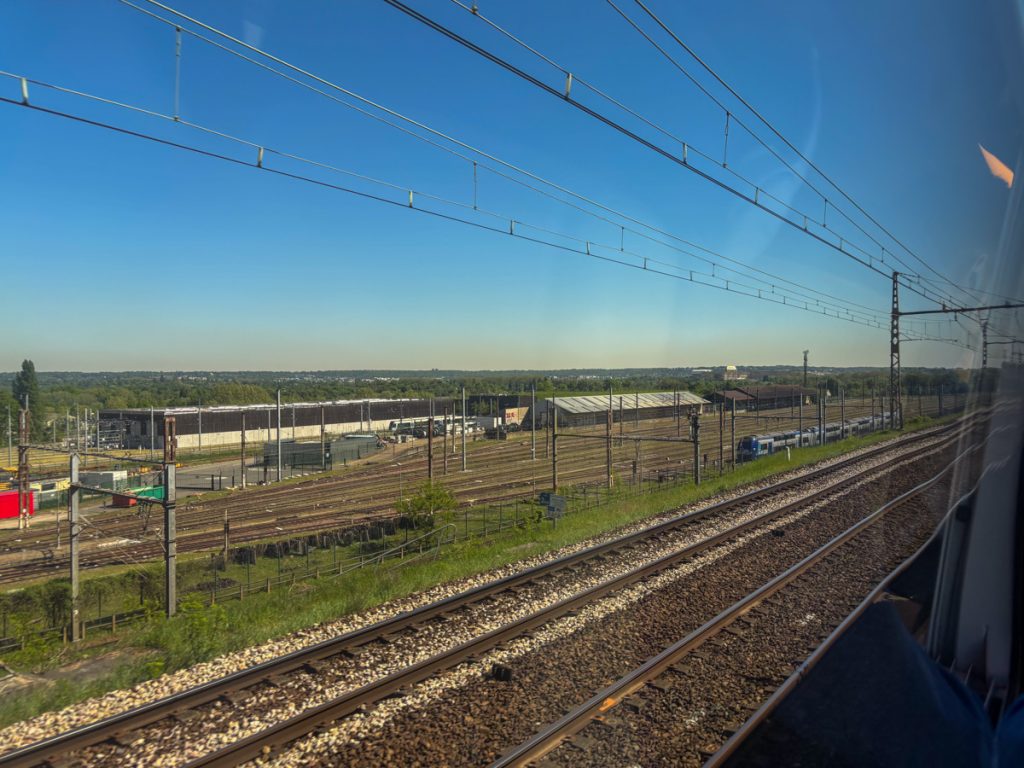
Since I finished my archive work earlier than expected, I decided to start the return journey a bit ahead of schedule. The original plan was to take the 16:25 TGV after a full workday, but I ended up hopping on a morning TER regional train instead. It didn’t require a seat reservation, even though it was over an hour slower (2h15 vs. 55 min). Still, it gave me a bit of time to wander around Paris and the chance to arrive in Cologne earlier – I had planned an overnight stop there. I also managed to switch my Eurostar seat from Paris to Brussels to an earlier departure without any trouble.
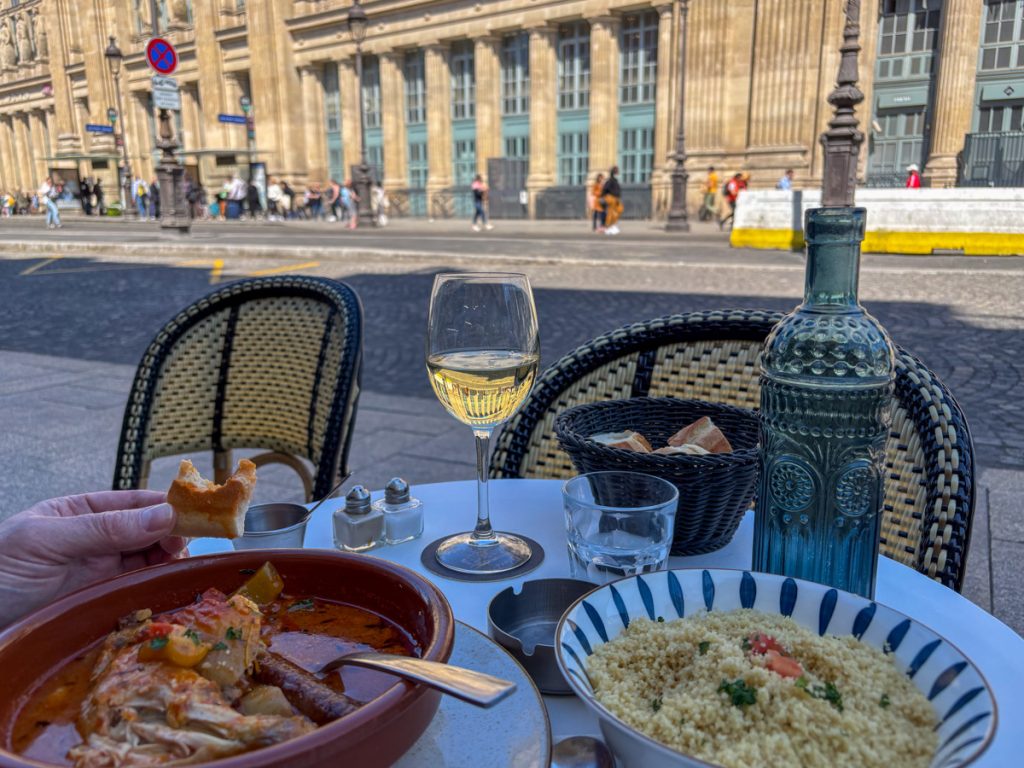
This time in Paris, I had to switch from Montparnasse to the northern station, Gare du Nord – which, in my mind, is forever linked to that scene in Mika (and Aki) Kaurismäki’s The Worthless, where Manne and Veera agree to meet there. The touristy lunch spots outside the station did just fine – I didn’t feel like venturing farther. The Eurostar to Brussels took just an hour and twenty minutes – which, from a Finnish perspective, is slightly envy-inducing. Distances really do feel short here.
I had planned to wander around central Brussels during my 2.5-hour layover, but due to a local transport strike – with only one metro line running – I settled for a stroll around nearby Saint-Gilles, one of the 19 municipalities that make up the Brussels region. I had time to sit down and just watch the world go by. My train to Cologne finally departed at 18:25 and arrived at 20:15. A short walk to the hotel, some dinner, and then straight to bed.
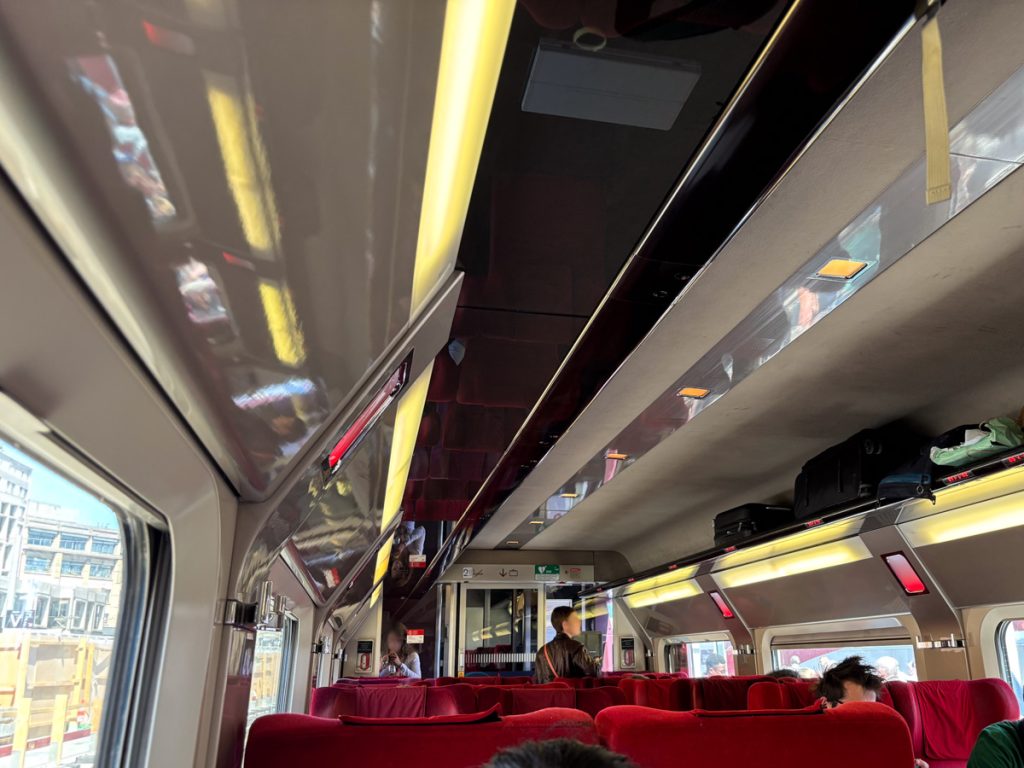
In the morning, after checking out Cologne Cathedral (and not being particularly sleepy), I spontaneously switched to a train heading to Hamburg an hour earlier than planned – which turned out to be a smart move, as things started getting a bit bumpy on that leg of the trip. With my original train, I likely would’ve missed the Copenhagen connection – or so I thought at the time. In Hamburg, I even had time to grab some sushi outside the station before catching the next train. Or well… trying to. The train I was supposed to take was suddenly cancelled. Luckily, I acted fast and snagged a seat reservation for the next one the moment the cancellation notice came in. With two trainloads of passengers squeezed into one, things got a little crowded – some people had to sit on the floor. I managed to get a spot in a six-person compartment, so no complaints. The train was scheduled to arrive in Copenhagen at 21:46 but ended up being 25 minutes late. Fortunately, the transfer was well arranged, and the Malmö-bound train was waiting just across the platform. I’d decided to stay in Malmö for the night, since hotel prices there were considerably lower than in Copenhagen – at least when I booked – and it meant I could catch a direct train to Stockholm the next morning.
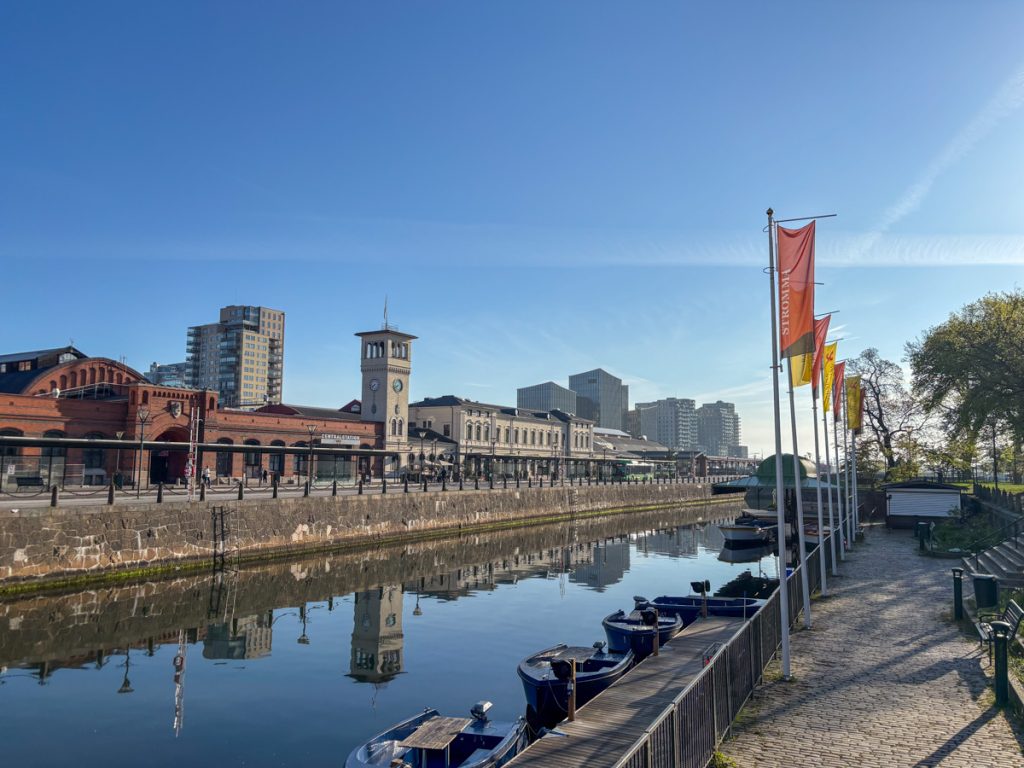
After a good night’s sleep and breakfast, I was ready to rattle my way back across Sweden. Or so I thought. Right at Malmö station, there was an announcement about a power outage in Hässleholm – with no estimate for how long it would last. Great. In the end, the train sat for an hour at Eslöv, just north of Lund, until the issue was resolved. Thankfully it was, and I made it to my originally planned ferry without a rush. I had booked a ticket to Helsinki for comfort’s sake – arriving at 10 a.m. is quite a bit nicer than 7 a.m., after all. From there, it was just the final stretch back to Tampere, and so the journey that had begun the previous Friday came to an end the following Friday.
The Verdict
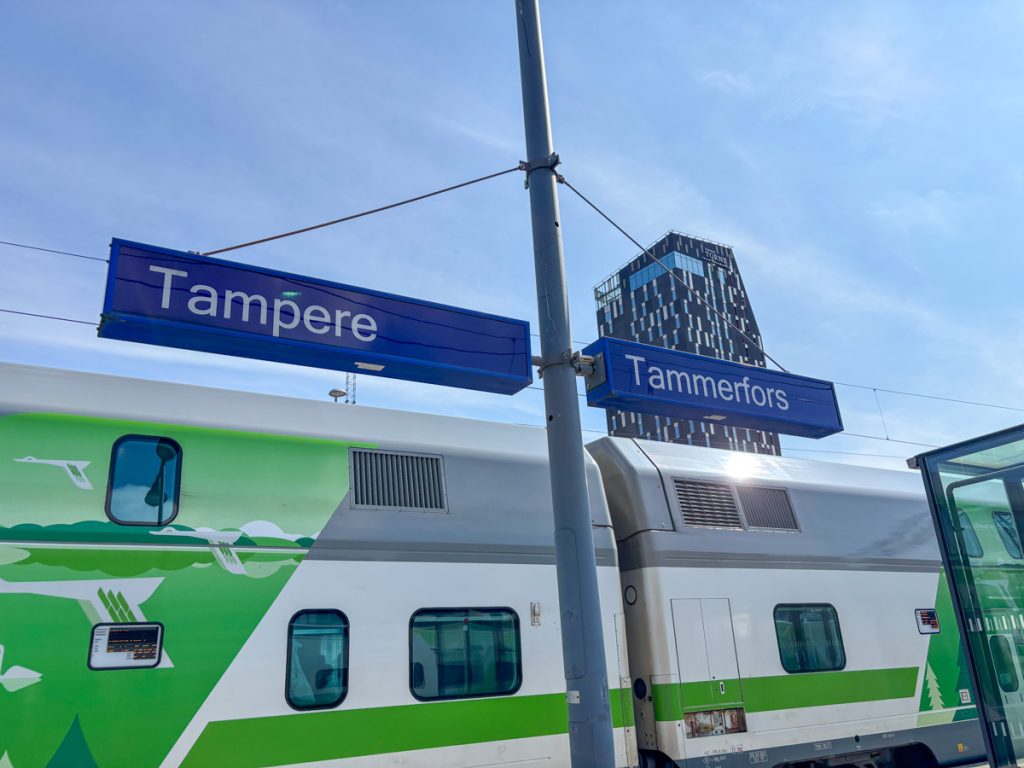
Even with a few technical hiccups on the return leg, train travel was overall a genuinely pleasant experience. I’m planning to stick with overland travel for future trips too – whenever it’s even remotely possible. (And honestly, if I can’t get there without flying, it’s worth asking whether the trip is really necessary at all.) Sure, slow travel takes more time, but the journey becomes part of the experience. This one was no exception: unexpected conversations, shifting landscapes, and a variety of trains all added their own flavor. All in all, around 6,000 kilometers went by surprisingly smoothly – though depending on which mileage calculator you use, the total may vary slightly.
The Interrail Pass, combined with seat reservations for most trains, turned out to be a great choice this time – it gave me the flexibility to adjust my travel plans when needed. Next time, I might go with individual tickets instead. It all depends on the type of trip and how early I’m able to book. In any case, I can wholeheartedly recommend travelling overland – or perhaps more accurately, along the surface – to just about anyone.
And for those curious about the schedule – here it is, just in case.
Friday, 25 April 2025
Tampere–Turku Harbour: 16:10–18:11
Turku–Stockholm: 20:10–06:10
Saturday, 26 April 2025
Stockholm–Alvesta: 08:24–11:31
Change to bus (1h20m), then by train to Hässleholm–Malmö: 13:12–13:52
Malmö–Copenhagen: 14:05–14:39
Copenhagen–Hamburg: 15:57–21:08
Hamburg–Zurich: 22:08–10:30 (Saturday)
Sunday, 27 April 2025
Zurich–Basel: 10:59–11:53
Basel–Paris (Gare de Lyon): 12:34–15:38
Paris (Montparnasse)–Le Mans: 16:38–17:33
Monday, 28 April 2025
Day at the Archives
Tuesday, 29 April 2025
Le Mans–Paris (Montparnasse): 09:38–11:53
Paris (Gare du Nord)–Brussels: 14:22–15:44
Brussels–Cologne: 18:25–20:15
Wednesday, 30 April 2025
Cologne–Hamburg: 09:05–12:59
Hamburg–Copenhagen: 16:55–21:46 (The 14:56 train was cancelled)
Copenhagen–Malmö: 22:14–22:55
Thursday, 1 May 2025
Malmö–Stockholm: 08:07–13:55
Stockholm–Helsinki: 16:30–10:10 (Friday)
Friday, 2 May 2025
Helsinki–Tampere: 11:03–12:53
* Apologies for the use of the word Manse. I can’t stand it myself, but now I just couldn’t…